Offensive Solutions / Penetration Testing
Finding and validating vulnerabilities through real-world attacks

We test web, mobile applications, API, infrastructure, Active Directory, clouds, and AppSec processes. We do not stop at scanners: we look for attack chains by hand, show the possible damage, and give a clear remediation plan.
We will show you where you can really be breached
TSARKA — a cybersecurity team from Central Asia. The offensive practice consists of 10+ pentesters and red team specialists. Each of them has 5+ years of practice and relevant certifications.
10+ years
In the cybersecurity market
2 weeks
A typical pentest
30+
Team certifications
Banks, fintech, telecom, startups, gamedev, crypto systems, and technology companies. We work with clients all over the world.

















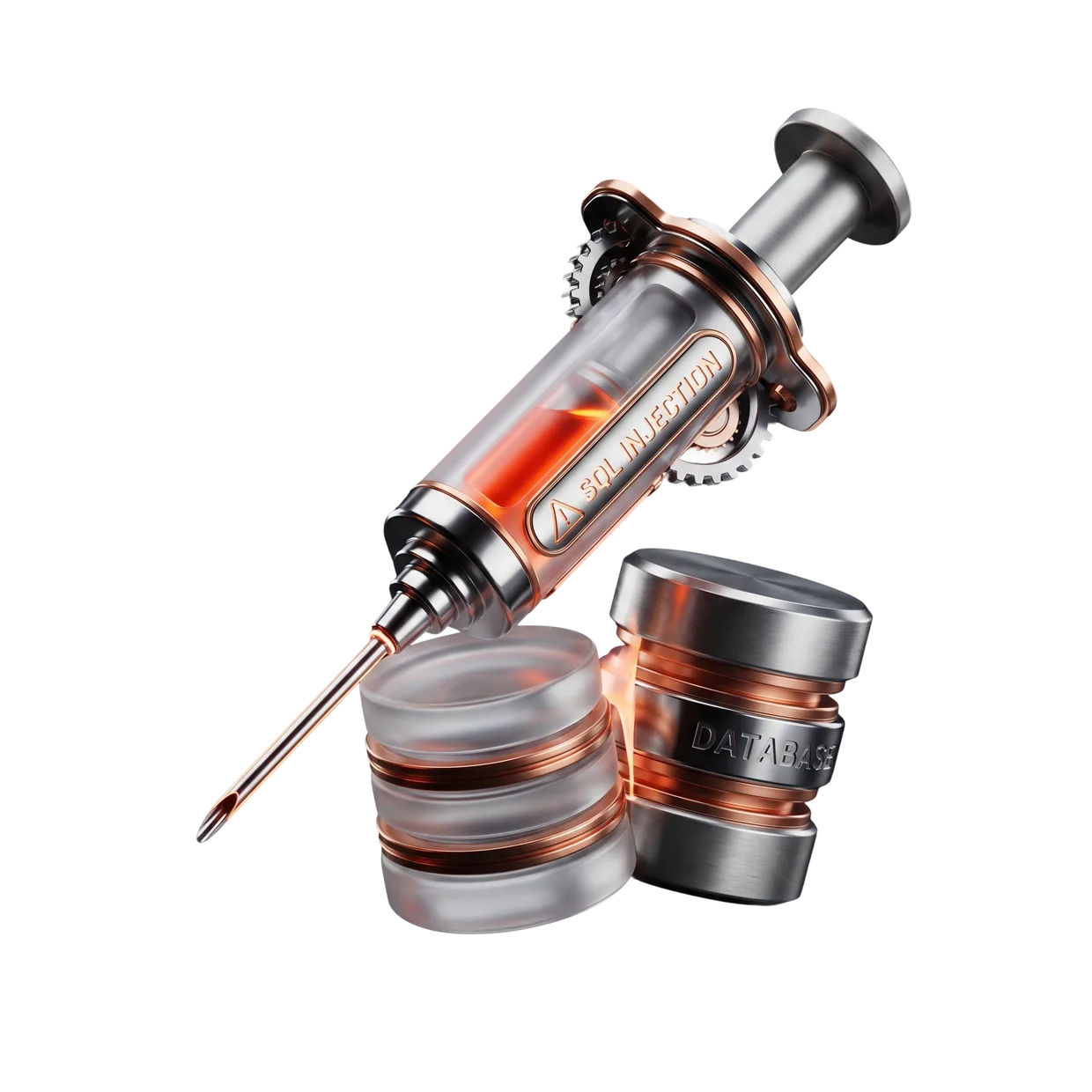
We cover the whole attack path: OSINT, web, API, mobile, code, AppSec, infrastructure, AD, Wi-Fi, phishing, cloud, and Red Team.
The client sees a clear picture rather than scattered findings: where the risk is, how it gets exploited, and what to do about it.
Our services
We look for vulnerabilities, check whether they can actually be exploited, and assess data access, privileges, protection bypasses, and weak points in processes.

Black/Grey/White Box. We check OWASP Top 10, business logic, authorization, access, sessions, files, JS, API, accounts, and real exploitation scenarios.
Order the serviceWhen is it worth ordering a pentest?
If a system matters to your money, data, customers, or reputation — better to test it before someone else does.
Product launch
Before launching a new web application, mobile application, API, or customer portal.
Regulator requirement
When a partner, bank, regulator, or enterprise client requires an independent security check.
Suspected breach
After a suspected breach, data leak, account compromise, or strange events in the logs.
Major code changes
After major changes in code, infrastructure, AD, cloud, or network segmentation.
How the work proceeds
First we agree on the rules, then we test, record evidence, and escalate critical findings quickly. We do not break business processes: risky actions are agreed in advance.

Scope and rules
We fix the goals, the systems, the test type — Black/Grey/White Box — access, work windows, escalation contacts, the NDA, and the Rules of Engagement.

Reconnaissance
We gather the context: external surface, services, accounts, documents, JS, API, assets, user roles and critical business functions.

Exploitation
We combine tooling with manual work. Scanners help map the surface faster, but the key findings usually come after manually checking logic and chains.

Report
We deliver two levels: brief for management and detailed for security, Dev and DevOps. The report carries evidence, PoC, risk, priority and concrete remediation steps.

Debrief and retest
We hold a final presentation, answer the team's questions and, once the fixes are in, verify that the vulnerabilities really are closed.
Wins at international cyber drills

First place
Jeanne d’Hack CTF
Our Red Team under the KHS (KazHackStan) banner from Kazakhstan won an international CTF tournament in France. On January 30–31, 2026, the KazHackStan (KHS) team, representing the CTF Federation of Kazakhstan, took first place at the Jeanne d’Hack CTF international cybersecurity competition held in Rouen, France.
The tournament brought together 363 teams from all over the world, including leading professional collectives in information security. Participants solved 44 challenges in various categories: reverse engineering, binary exploitation (pwn), web security, cryptography, OSINT, and MISC.

First & Second place
Standoff 2
Red Team TSARKA is the winner of the Standoff 2 cyber battle, as well as a repeat finalist and prize winner of this international information security tournament. At the international Standoff cyber battles (part of PHDays), our TSARKA specialists have repeatedly held leading positions, taking 1st and 2nd place in different years.
First place
HackTrick
The Kazakhstani student team TSARKA Kazakhstan took first place in a competition among 26 hacker teams at the HackTrick conference in Ankara. The ministry that oversees the IT sector in Turkey praised the level of preparation of our students. It was the first time Kazakhstani students had taken part in a competition of this kind in Turkey.
Why us?
Concrete advantages, not general promises.
A pentest in 2 weeks
We can run a typical pentest in 2 weeks if the scope is agreed, access is ready, and the client's team answers questions quickly.
Not just scanners
Automation speeds up the work but does not replace manual analysis. We check business logic, access chains, authorization bypasses, and real attack scenarios.
AppSec + Pentest
We can not only find vulnerabilities but also help build security gates into development: threat modeling, code review, SAST/DAST/SCA, secrets scanning, CI/CD checks.
Black/Grey/White Box
We pick the format to fit the task. Black Box shows the outside attacker's view, Grey Box gets to depth faster, White Box gives maximum coverage of code and architecture.
A report everyone can read
Management gets the business risk and the priorities. The technical team gets PoC, evidence, reproduction steps, and a clear remediation plan.
You can test the SOC
Through Red Team/Purple Team we check how well the defense actually sees an attack: alerts, escalation, response, playbooks, and gaps in the process.
Frequently asked questions
We can run a typical project in 2 weeks. The exact timeline depends on the scope, the number of systems, the type of access, and how quickly communication goes. We fix the timeline before the start.
Want to know where the weak spots are?
Submit a request — we will clarify the scope, propose a Black/Grey/White Box format or an AppSec approach, and tell you whether your project can fit into 2 weeks.